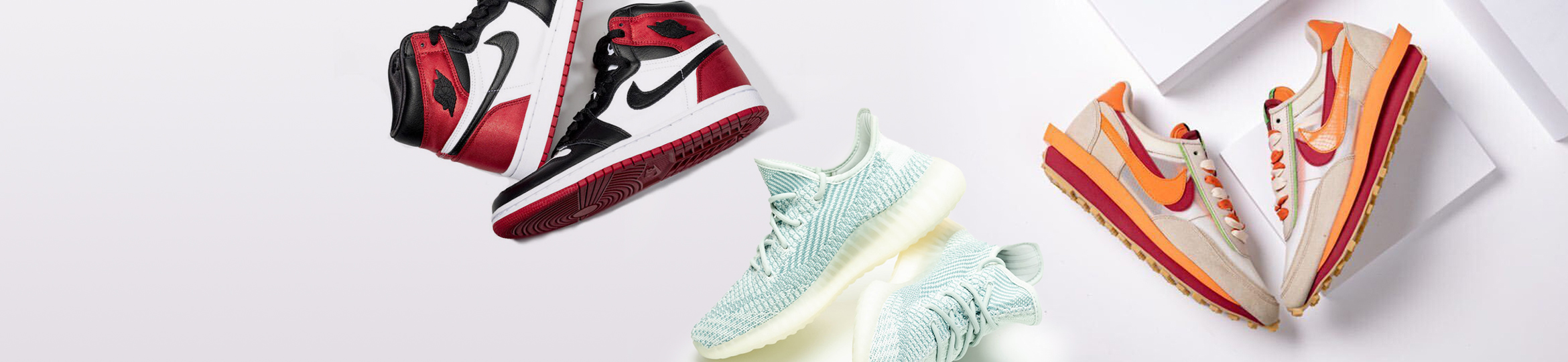
Wholesale Casual Shoes: Which Styles Are Rising in Price?

Casual Sneakers Wholesale: Which Styles Are Trending Up in 2026
Casual sneakers are the wild card of wholesale footwear. Unlike performance categories — where demand is anchored to athletic seasons and functional need — casual sneaker trends are driven by culture, social media, and that most unpredictable of forces: what the cool kids in Tokyo, London, and New York decide to wear this year.
But unpredictability doesn't mean unprofitability. In fact, the volatility of casual sneaker trends creates some of the best wholesale opportunities I've ever seen — if you know how to read the signals early and avoid the traps. This guide covers the trends that are actually moving product in 2026, the price tiers that make sense for wholesale, and how to build a casual sneaker portfolio that captures upside while limiting downside.
The 5 Casual Sneaker Trends That Matter in 2026
1. Retro Runners (Y2K Continuation)
The Y2K running aesthetic — mesh uppers, metallic accents, chunky midsoles — has been the dominant casual sneaker trend since 2022 and shows no signs of dying in 2026. Key models: Asics Gel-Kayano 14, New Balance 2002R/1906R, Nike Vomero 5, Adidas Response CL. These shoes are wearable, comfortable, and hit the sweet spot of recognizable (the brands are familiar) but distinctive (the specific models feel more curated than a Nike Dunk).
Wholesale outlook: Strong. These models have been in production long enough that secondary market supply exists. Asics Gel-Kayano 14 wholesale at $50–$70, resale at $100–$150. NB 2002R at $60–$80 wholesale, $110–$180 resale. Margins are 35–55% with fast sell-through. This is the safest casual sneaker category for wholesale.
2. Ballet Flats + Minimalist Sneakers
The anti-chunky trend. Clean, slim, low-profile sneakers that borrow from ballet flat and indoor soccer aesthetics. Key models: Adidas Samba (still going), Wales Bonner x Adidas, Miu Miu x New Balance (high-fashion crossover), Onitsuka Tiger Mexico 66. This trend is strongest in women's sizes (5.5–8.5) and in fashion-forward urban markets.
Wholesale outlook: Excellent for Adidas terrace models (see my Adidas wholesale guide). Onitsuka Tiger is an underrated wholesale play — the Mexico 66 is having a massive resurgence, and wholesale supply through Asian channels is available at $35–$50/pair with $80–$120 resale. Limited supplier base, but the margins are there if you find them.
3. Gorpcore / Outdoor Crossover
The "outdoorsy as fashion" trend continues. Hiking boots worn on city streets, trail runners as coffee-run shoes, technical fabrics as style statements. Key models: Salomon XT-6/XT-4, Hoka Tor Ultra, Arc'teryx footwear (new but growing), Nike ACG line. For a deeper dive, see my hiking shoes wholesale guide.
Wholesale outlook: Salomon XT-6 is the star. Wholesale at $55–$80, resale at $120–$200 for desirable colorways. The challenge is that Salomon (owned by Amer Sports, which also owns Arc'teryx) tightly controls its distribution. Wholesale access is more limited than Nike or Adidas, but when you find it, margins are exceptional.
4. Skate-Inspired Lifestyle
The Nike SB Dunk has created a halo effect for skate-adjacent casual sneakers. This trend encompasses everything from actual skate shoes worn as fashion (Nike SB, Vans, New Balance Numeric) to fashion shoes that borrow skate aesthetics. Key models: Nike SB Dunk Low/High (non-hype colorways), Vans Old Skool/Anaheim Factory, Converse Chuck 70, Cariuma.
Wholesale outlook: Vans and Converse are volume plays. Wholesale Vans at $15–$25/pair, resale at $35–$55. Margins are decent (40–55%) but absolute profit per pair is low — you need volume. Nike SB Dunks (non-collab) wholesale at $55–$75, resale at $100–$150. Better absolute profit, but supply is tighter. I run Vans/Converse at high volume (200+ pairs/month) and SB Dunks opportunistically.
5. Premium Minimalist (The Quiet Luxury Sneaker)
The Common Projects Achilles aesthetic — premium leather, no visible branding, clean lines — has trickled down into the mainstream. Key models: Axel Arigato, Koio, Oliver Cabell (all at the $200–$300 retail tier) and mass-market versions from COS, Arket, and Madewell. This trend disproportionately appeals to 25–40 year old professionals with disposable income.
Wholesale outlook: Tricky. The premium minimalist brands have limited wholesale availability because they're often DTC-first. The mass-market versions (COS, Arket) have better wholesale access but lower resale premiums. I allocate only 5–10% of my casual sneaker budget here and treat it as experimental.
Price Tier Strategy: Where the Margin Lives
| Price Tier | Retail | Wholesale | Resale | Margin | Strategy |
|---|---|---|---|---|---|
| Budget ($50–$80 MSRP) | Vans, Converse, Puma | $12 – $28 | $30 – $55 | 40% – 55% | Volume. High turnover, low per-unit profit. |
| Mid ($90–$150 MSRP) | Samba, 2002R, Gel-Kayano | $35 – $75 | $80 – $160 | 40% – 60% | Sweet spot. Best margin-to-volume ratio. |
| Premium ($160–$250 MSRP) | Salomon XT-6, NB 990 | $60 – $130 | $120 – $220 | 30% – 50% | Prestige + profit. Strong absolute dollars. |
The mid-tier ($90–$150 MSRP) is the economic sweet spot for casual sneaker wholesale. The wholesale entry is affordable enough to deploy capital efficiently, the resale prices generate meaningful absolute profit ($35–$60 per pair), and the buyer base is broad enough to support consistent sell-through. My casual sneaker portfolio is roughly 60% mid-tier, 25% budget, 15% premium.
The TikTok Factor: Social Media Trend Timing
In 2026, a TikTok or Instagram trend can transform a forgotten sneaker model into a sold-out sensation in 72 hours. This creates both opportunity and risk for wholesale buyers:
How to spot trends early (before the price spike):
- Monitor "sneaker outfit" and "sneaker styling" hashtags on TikTok and Instagram. When a specific model starts appearing in 3+ viral posts within a week, the demand curve is about to shift.
- Track search volume on Google Trends for specific model names. A 200% week-over-week spike usually precedes a price movement by 1–2 weeks.
- Watch what Japanese and Korean fashion accounts are posting. East Asian trends often precede Western adoption by 3–6 months.
- Monitor StockX trade volume (not just price). A sudden increase in trade volume with stable prices often signals the start of a trend before prices adjust upward.
Risk management for trend-chasing: Never commit more than 15% of your monthly casual sneaker budget to a TikTok trend. Trends can reverse as fast as they start. The Adidas Samba and Nike Vomero 5 have been multi-year sustained trends (safer). The Nike Mac Attack (2023) and Adidas BW Army (2024) were 3–6 month spikes that crashed hard. Know the difference.
FAQ
Q: What's the safest casual sneaker to wholesale right now?
Adidas Samba (see the Adidas guide for full breakdown) and New Balance 2002R. Both have been trending for 3+ years and have demonstrated demand that outlasts short-term hype cycles. Samba wholesale at $35–$50 with $70–$110 resale. 2002R wholesale at $60–$80 with $110–$180 resale. Both sell through consistently. The Samba trend will eventually cool — no trend lasts forever — but the silhouette is 75 years old and has survived multiple trend cycles. Even when hype normalizes, it will retain a baseline demand level.
Q: Should I wholesale Vans and Converse?
Yes, but treat them as cash-flow inventory, not profit centers. Vans (Old Skool, Authentic, Era) wholesale at $15–$25, resell at $35–$55. Profit per pair is $10–$18 — thin in absolute dollars. But they sell through at 85%+ within 30 days because the buyer base is massive (skaters, students, casual wearers). I run Vans at 150–200 pairs/month and it generates reliable $2,000–$3,000 monthly profit from what amounts to inventory arbitrage. Not exciting, but predictable. The key is wholesale sourcing — you need to buy Vans at $15–$22/pair to make the math work. Above $25 wholesale, the margin is too thin to justify the effort.
Q: How do I avoid buying dead trends?
Three rules: (1) Never buy a trend that's been featured in a major publication's "Top Trends" article — by the time Vogue or GQ writes about it, the trend is peaking and the wholesale opportunity has passed. (2) Check StockX 6-month price history. If prices are declining month-over-month for 3+ months, the trend is cooling regardless of what social media says. (3) Limit single-trend exposure to 20% of your casual portfolio. If you're heavily weighted in one trend and it dies, you're stuck. Diversification across 3–4 trending models protects against any single trend collapsing.
Q: What about women's casual sneaker wholesale?
Under-allocated by most wholesale buyers, which creates opportunity. Women's casual sneaker demand is enormous — the women's athletic footwear market is actually larger than men's ($27B vs $24B globally) — but wholesale supply chains are still oriented around men's models. Key women's plays: Adidas Samba/Gazelle in women's sizing (sizes 5.5–8.5), New Balance 327, Nike Dunk Low (women's exclusive colorways), Veja (strong demand but limited wholesale). The Veja opportunity is particularly interesting — the French sustainable sneaker brand has exploded in popularity (particularly among 25–40 year old women) but has almost no gray market wholesale availability. If you can find a Veja wholesale source, margins will be exceptional.
Q: Crocs — joke or legitimate wholesale category?
Legitimate and extremely profitable. I was skeptical for years, but the numbers don't lie. Crocs revenue grew from $1.4B in 2020 to over $4B in 2025. The brand has successfully repositioned from "ugly comfort shoe" to "fashion-collaboration platform" through partnerships with Balenciaga, Salehe Bembury, and Post Malone. For wholesale, the economics are compelling: wholesale Crocs at $12–$20, resale at $28–$45 for standard models and $60–$120+ for collaborations. Margins are 50–80%. And because Crocs are one-piece molded foam, they're almost impossible to counterfeit convincingly — authentication is simpler than any other sneaker category. I've dedicated an entire guide to Crocs wholesale because the category deserves its own treatment.