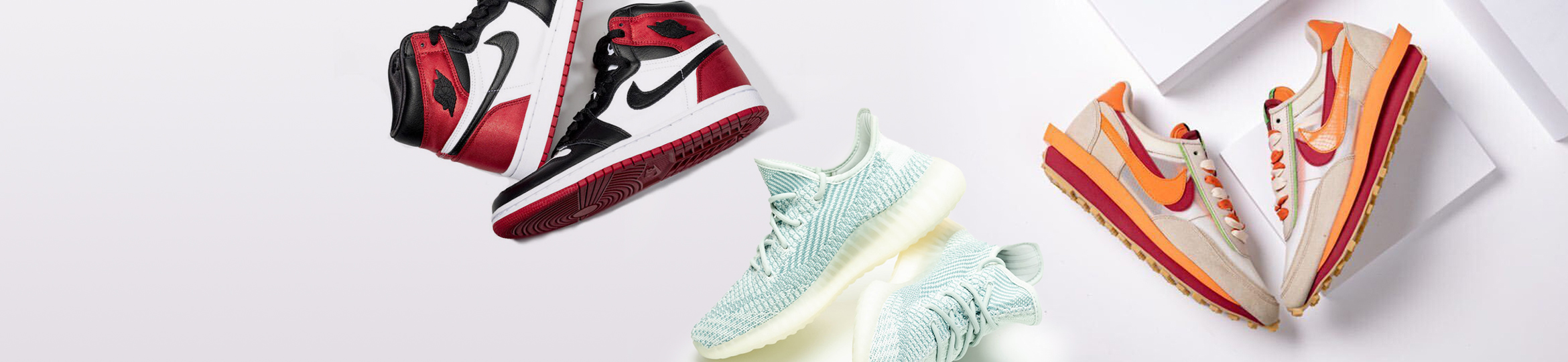
StockX vs GOAT vs eBay for sellers

If you've been reselling sneakers for more than a week, you've already wrestled with this question: where do I actually list these shoes? StockX, GOAT, eBay — three platforms, three very different business models, and one common goal: maximizing your profit per pair.
I've sold on all three platforms. Thousands of pairs. Some months I've run all three simultaneously, other months I've gone all-in on one. And here's what I've learned: the answer isn't "pick one and stick with it." The answer is knowing which shoe goes where, and understanding the math behind that decision.
This guide breaks down every factor that matters — fees, speed, audience, risk, and the numbers most sellers overlook. By the end, you'll have a decision framework you can use on every pair you touch.
The Fee Breakdown: Where Your Money Actually Goes
Let's start with the numbers everyone obsesses over — and the ones nobody talks about. Platform fees look simple on the surface. They're not.
StockX Fee Structure (2026)
StockX uses a seller-level tier system. The more you sell, the less they take. Here's the breakdown:
| Seller Level | Quarterly Sales | Transaction Fee | Total (incl. 3% processing) |
|---|---|---|---|
| Level 1 | 0–9 sales | 9% | 12% |
| Level 2 | 10–29 sales | 8.5% | 11.5% |
| Level 3 | 30–99 sales | 8% | 11% |
| Level 4 | 100–499 sales | 7.5% | 10.5% |
| Level 5 | 500+ sales | 7% | 10% |
The catch most new sellers miss: that 3% payment processing fee applies to every sale, regardless of your level. Your "9% fee" is really 12%. Plan accordingly.
StockX provides a pre-paid shipping label. You box it, slap the label on, drop it at UPS. No shipping cost calculations — it's built into the system. This simplicity is a major reason beginners gravitate toward StockX.
GOAT Fee Structure (2026)
GOAT's fee model is simpler on paper but has a hidden landmine: cancellation penalties. Your commission rate is tied to your seller rating, and cancellations destroy it.
| Seller Rating | Commission Fee | Seller Fee (US) | Cash Out Fee | Effective Total |
|---|---|---|---|---|
| 90+ (default) | 9.5% | $0–$5 | 2.9% | ~12.4% |
| 70–89 | 15% | $0–$5 | 2.9% | ~17.9% |
| 50–69 | 20% | $0–$5 | 2.9% | ~22.9% |
| Below 50 | 25% | $0–$5 | 2.9% | ~27.9% |
Every cancellation costs you 10 rating points. Every successful sale earns you 2 points. So one cancellation takes five successful sales to recover from. If you're the type who cancels orders because you "sold it somewhere else first," GOAT will punish you brutally. That 27.9% fee tier isn't theoretical — I've watched resellers fall into it and never recover.
GOAT offers two fulfillment methods: drop-off (free, but you must physically visit a GOAT facility or partner location) and prepaid shipping ($5 for US sellers). The $5 shipping option is convenient but adds up quickly on volume.
The cash-out fee deserves special attention. Unlike StockX where the 3% processing is deducted at sale, GOAT charges 2.9% when you withdraw your earnings. This means your money sits in GOAT's ecosystem — and they take a cut when you want it out. Minimum cash-out is $25, and promotional periods occasionally waive the ACH fee.
eBay Fee Structure (2026)
eBay's sneaker fees are wildly misunderstood because they changed significantly in recent years. The key number every reseller needs to know: $150 threshold. Cross it, and your fee drops by nearly half.
| Price Point | Final Value Fee (No Store) | Final Value Fee (Basic Store+) | Per-Order Fee | Auth Service |
|---|---|---|---|---|
| Sneakers $150+ | 8% | 7% | $0 (waived) | Free to seller |
| Sneakers $100–$149 | 13.6% | 12.7% | $0.40 | Free (if $100+) |
| Sneakers under $100 | 13.6% | 12.7% | $0.30–$0.40 | N/A |
Here's the part most comparisons miss: eBay's authentication program for sneakers over $100 is free to sellers. Your shoes go to an eBay authentication center (they have facilities in Las Vegas and New York), get verified, then ship to the buyer. This is essentially the same service StockX and GOAT provide — but eBay isn't charging you extra for it. The buyer pays $14.95 for authenticated shipping.
eBay Basic Store subscription is $27.99/month (annual plan) or $34.99/month (monthly). At 1% lower fees, you need about $2,800/month in $150+ sneaker sales to break even. If you're doing more than that, get the store.
Real Money Math: Same Shoe, Three Platforms
Let's run the same shoe through all three platforms. I'll use an Air Jordan 1 Retro High selling at $180 — a realistic mid-tier release.
| Scenario: $180 Jordan 1 | StockX (Level 1) | GOAT (Rating 90+) | eBay (No Store) |
|---|---|---|---|
| Sale Price | $180.00 | $180.00 | $180.00 |
| Transaction/Commission | −$16.20 (9%) | −$17.10 (9.5%) | −$14.40 (8%) |
| Processing/Cash Out | −$5.40 (3%) | −$5.22 (2.9%) | Included |
| Seller/Shipping Fee | $0 (label provided) | −$5.00 (prepaid) | $0 (buyer pays $14.95) |
| Per-Order Fee | $0 | $0 | $0 (waived) |
| Net Payout | $158.40 | $152.68 | $165.60 |
| Effective Fee Rate | 12.0% | 15.2% | 8.0% |
eBay wins by a mile on this particular shoe — $7.20 more than StockX and $12.92 more than GOAT. If the same pair sells for $250:
| Scenario: $250 Travis Scott | StockX (Level 1) | GOAT (Rating 90+) | eBay (No Store) |
|---|---|---|---|
| Total Fees | $30.00 | $36.25 | $20.00 |
| Net Payout | $220.00 | $213.75 | $230.00 |
| Effective Rate | 12.0% | 14.5% | 8.0% |
eBay's advantage grows with the price tag. On a $500 pair, the difference becomes $20+ per shoe — real money at scale.
But here's where the math gets tricky. What if eBay sell-through is slower? If your StockX pair sells in 3 days and your eBay pair sits for 14, you're paying an opportunity cost that the fee comparison doesn't capture. More on this shortly.
Sell-Through Velocity: Speed of Money
A lower fee means nothing if the shoe never sells. Here's how the platforms actually perform in terms of liquidity.
| Factor | StockX | GOAT | eBay |
|---|---|---|---|
| Typical sell-through speed | Fastest (1–5 days) | Fast (2–7 days) | Variable (3–21 days) |
| Best for hype releases | ⭐⭐⭐⭐⭐ | ⭐⭐⭐⭐ | ⭐⭐⭐ |
| Best for deadstock basics | ⭐⭐⭐ | ⭐⭐⭐⭐ | ⭐⭐⭐⭐⭐ |
| Used sneakers | Not supported | ⭐⭐⭐⭐⭐ | ⭐⭐⭐ |
| Monthly visitors (est.) | ~35M | ~25M | ~700M (total) |
| Buyer intent | High (price-driven) | High (quality-driven) | Mixed (browse + intent) |
StockX dominates hype. If you're sitting on a hot release — a Travis Scott, an Off-White collab, a limited Jordan colorway — StockX is where the buyers are refreshing the page. The platform's "highest bid" system creates a stock-market mentality that drives fast transactions. You can list a hype pair and often have it sold before your lunch break ends.
GOAT owns the used market. This is a massive differentiator nobody talks about. GOAT supports used sneakers with detailed condition ratings (New, New with Defects, Used). The platform has built trust around pre-owned authentication, and buyers specifically come to GOAT for used heat they can't afford at deadstock prices. If you're flipping pre-owned pairs from thrift stores, estate sales, or trade-ins, GOAT is your platform.
eBay has the biggest net. 700 million monthly visitors isn't all shoe buyers. But even 1% of that is 7 million shoppers browsing sneakers. eBay's strength is the long tail — those random GR (General Release) colorways, older models, and weird sizes that sit forever on StockX. eBay buyers aren't always looking for shoes. They're browsing, they stumble on your listing, and they buy on impulse. That's a different kind of sell-through, but it's real.
The Authentication Experience: What Actually Happens
All three platforms authenticate. But how they authenticate — and what happens when something goes wrong — is where the real differences emerge.
StockX Authentication
StockX authentication centers are well-oiled machines. Your shoes arrive, get scanned in, and within hours (sometimes minutes) a verifier goes through a checklist: stitching, materials, box label, smell test, UV light inspection, and cross-referencing against the platform's database of known fakes.
The problem? Volume. During hype release weekends, StockX authentication centers process tens of thousands of pairs. Mistakes happen. I've personally received shoes with minor box damage that StockX flagged as "not meeting quality standards," and I've also received obviously flawed pairs that slipped through. Their process favors speed over precision on high-volume days.
If your shoes fail authentication, StockX charges a 15% penalty fee (or $15 minimum, whichever is higher) and returns the shoes to you at your cost. This is rough if you genuinely didn't know the pair had an issue.
GOAT Authentication
GOAT's authentication process is, in my experience, more thorough than StockX's. They spend more time per pair, examine the box condition more carefully, and their "New with Defects" category shows they actually understand nuance.
The downside? GOAT's authentication can be slow — sometimes 3–5 days after arrival before the pair gets verified. During this time, your money isn't released. If you're cash-flow sensitive, this delay matters.
Failed authentications on GOAT trigger the cancellation penalty we discussed earlier. That 10-point deduction can cascade quickly if you have multiple pairs fail in a short window. I learned this the hard way with a batch of vintage Jordans where the glue had yellowed slightly — GOAT rejected three pairs, and my rating dropped from 90 to 60. Took me two months to climb back.
eBay Authentication
eBay's authentication program, run through their partnership with Sneaker Con, is surprisingly good. The same people authenticating at Sneaker Con events are staffing eBay's authentication centers. They know their stuff.
The process: you ship to an eBay authentication hub, they verify within 1–2 business days, then forward to the buyer with an authentication tag attached. The buyer receives a pair that's been verified and tagged — it feels premium.
If authentication fails, eBay cancels the transaction and returns the shoes to you. No penalty fee. This is the single biggest risk advantage eBay has over StockX and GOAT. Your downside is capped at the return shipping cost.
Seller Protection & Risk
This is where the platforms really diverge. Fees matter, but so does waking up to a chargeback that wipes out a week's profit.
| Risk Factor | StockX | GOAT | eBay |
|---|---|---|---|
| Buyer returns/refunds | Rare (final sale model) | Rare (final sale for new) | More common (buyer protection) |
| Chargeback risk | Platform absorbs most | Platform absorbs most | Higher (bank disputes) |
| Auth failure penalty | 15% or $15 min | Rating deduction | None (return only) |
| Price volatility protection | None (market prices fluctuate) | Some (you set asking price) | Full (fixed or auction) |
| Seller CS quality | Decent, slow | Good, responsive | Variable, frustrating |
eBay chargebacks are the elephant in the room. Because eBay processes payments through its own managed payments system, buyers can dispute charges with their bank. When this happens, eBay typically sides with the buyer initially. You'll need to provide documentation — tracking, authentication confirmation, communication logs — to fight it. I've won most chargeback disputes, but they're time-consuming and stressful.
StockX and GOAT, by contrast, essentially function as the merchant of record. The buyer pays the platform, the platform pays you. This buffer layer makes chargebacks rare and usually handled without seller involvement.
The Decision Framework: Which Shoe Goes Where
After thousands of sales across all three platforms, here's my personal decision tree:
🔴 High-hype deadstock ($200+) → StockX
Speed matters more than fee difference. These move fastest on StockX. List at the low ask minus $1–$5 and it sells within 48 hours.
🟠 Mid-tier deadstock ($100–$199) → eBay
The 8% fee advantage is huge at this range. eBay authentication is free. Just be patient — these take 5–10 days on average.
🟡 Used sneakers (any price) → GOAT
GOAT's used market is unmatched. Their condition grading system attracts serious buyers willing to pay fair prices for pre-owned heat.
🟢 GR colorways / older models → eBay
The long-tail audience on eBay works for these. StockX liquidity on GRs is terrible — you'll be undercutting forever.
🔵 Below-retail pairs (under $100) → eBay
The 13.6% fee hurts, but you can't sell these on StockX at all (most won't meet the minimum bid threshold meaningfully).
🟣 International buyers targeting → StockX or GOAT
Both platforms handle international logistics and duties. eBay international selling is messier, with that 1.65% additional fee.
The Multi-Platform Strategy That Actually Works
The best resellers I know run all three platforms simultaneously but with clear rules. Here's the system:
1. Cross-list everything above $200 on both StockX and eBay. Post on eBay at a fixed price, list on StockX at the low ask. When one sells, immediately delist from the other. Use a cross-listing tool like Vendoo or ListPerfectly — manually tracking inventory across platforms is a recipe for double-selling.
2. Dedicate GOAT to used inventory only. Don't waste time listing deadstock on GOAT unless the pair is sitting on the other platforms. GOAT's fees are the highest, and for deadstock, you're paying a premium for a selling experience that isn't better than StockX.
3. Use eBay as your primary for GRs and older pairs. These shoes have essentially zero liquidity on StockX. The "buy it now" format with offers enabled works well — set the price at market + 10% and accept offers within 5%.
4. Price strategically per platform. Don't just copy the same price everywhere. On eBay, price slightly higher to offset the 8% fee — buyers there don't cross-shop as aggressively. On StockX, you're competing in a transparent order book. On GOAT, used pricing is art: check sold listings, condition-graded comps, and price accordingly.
5. Track your realized net per platform monthly. Spreadsheet with columns: platform, pair name, sale price, all fees, net. After 3 months, you'll have real data — not guesses — about where your specific inventory performs best. My data consistently shows eBay nets 8–10% more per pair than StockX on mid-tier shoes, but StockX sells 3–4x faster.
Related Reading
These articles cover the other critical pieces of a profitable reselling operation:
- Sneaker Reselling Profit Calculator Template — free spreadsheet that automates these platform fee calculations
- How to Price Sneakers for Resale (with Formula) — pricing strategy beyond platform choice
- Customer Service Templates for Sneaker Resellers — handling the platform-specific issues that come up
Frequently Asked Questions
Can I sell the same pair on multiple platforms?
Yes — and you should. But you absolutely need a system to immediately delist from all other platforms the moment a sale happens anywhere. If you sell a pair on StockX and forget to remove the eBay listing, you're looking at a cancellation penalty on at least one platform and angry customers. I use Vendoo ($29.99/month) which auto-delists across all platforms when an item sells. Worth every penny.
Which platform is best for a beginner with 5–10 pairs?
Start with eBay. The fee structure is most favorable for small sellers (8% on $150+ sneakers, no penalty for auth failures, free listings). The learning curve is manageable. Once you've completed 10+ eBay sales and understand authentication workflows, add StockX for hype releases. GOAT should be your third platform, primarily for used inventory.
Why does StockX show lower prices than eBay for the same shoe?
StockX's "last sale" price only reflects the most recent transaction, which is often a low bid that got accepted. eBay's prices appear higher because sellers price above market to absorb the lower fee. Also, StockX buyers are predominantly price-driven — they're looking at the order book and bidding low. eBay buyers are browsing and often willing to pay a premium for immediate purchase with buyer protection. The actual net to the seller can be higher on eBay even when the headline sale price is lower on StockX.
How do I handle shipping on each platform?
StockX provides a prepaid UPS label — you just box and ship. GOAT gives you the option of drop-off ($0) or prepaid label ($5). eBay for authenticated sneakers provides a prepaid shipping label to their authentication center, with shipping costs factored into the listing. For non-authenticated eBay sales (under $100), you're responsible for choosing and paying for your own shipping — use calculated shipping in your listing settings so the buyer pays actual cost.
What happens if a shoe fails authentication on any platform?
StockX: 15% penalty fee (minimum $15) + return shipping cost. GOAT: 10-point seller rating deduction + return shipping. eBay: return shipping cost only, no penalty. The risk hierarchy is clear — eBay is the safest platform for authentication failures. If you're selling vintage pairs, display models, or anything that could have QC issues, list on eBay first. The absence of a penalty fee means a failed authentication is just a minor inconvenience rather than a financial hit.
Last updated: July 2026. Fee structures current as of this date. Always verify platform fees before listing — StockX, GOAT, and eBay occasionally update their seller terms.