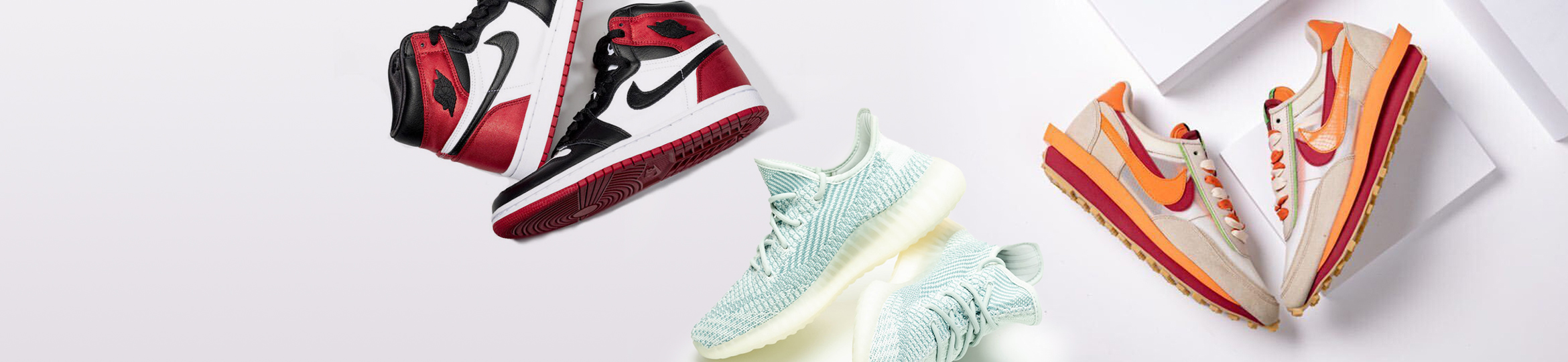
Collaborative Sneaker Wholesale Strategy: High Risk, High Reward

Collaboration Sneakers Wholesale: High Risk, High Reward Strategy
Collaboration sneakers are the nuclear option of wholesale footwear. When you get it right — buying a Travis Scott x Air Jordan 1 at $600 and selling at $1,500 — the profit per pair exceeds what most wholesale categories generate across an entire order. When you get it wrong — buying a collaboration at pre-release hype pricing only to watch it crash 40% in 48 hours — the losses are equally amplified.
I've been trading collaboration sneakers since the early days of the Nike SB x Supreme Dunk Lows. I've made six-figure profits on single releases and lost five figures on collaborations that the market collectively decided were "mid." Here's everything I've learned about navigating the most volatile segment of sneaker wholesale.
The Collaboration Hierarchy
Not all collaborations are created equal. I categorize them into tiers based on historical resale performance, cultural staying power, and the reliability of demand:
Tier 1: Blue Chip (Consistent 2–5x Returns)
- Travis Scott x Nike/Jordan: The undisputed king. Every Travis Scott sneaker collaboration since the AJ1 High "Mocha" (2019) has traded at 2–10x retail. The "Cactus Jack" branding transcends sneaker culture into mainstream entertainment. Buy any TS collab at any reasonable wholesale-adjacent price — they rarely lose value over a 12-month horizon.
- Off-White x Nike (Virgil Abloh era): The "The Ten" collection (2017) and subsequent Off-White Nike collaborations remain blue-chip assets. Virgil's passing in 2021 permanently capped supply. Deadstock Off-White Nikes are appreciating assets. Wholesale access is nearly zero — you're buying from other resellers at market prices.
- A Ma Maniere x Jordan: James Whitner's AMM collaborations (AJ3, AJ4, AJ12, Air Ship) consistently deliver 2–3x returns. The premium materials and storytelling create differentiation that the market rewards. Manufacturing quality on AMM pairs is notably higher than GR Jordans, which supports higher resale premiums.
Tier 2: Strong Performers (1.5–3x Returns)
- Union LA x Jordan: The Union AJ1 and AJ4 collaborations are legendary. Subsequent releases (AJ2, Cortez, Field General) have been solid but not explosive. Union's curated approach maintains scarcity.
- JJJJound x New Balance / Asics: Justin Saunders' minimalist aesthetic attracts a premium buyer. Resale trends 1.5–3x retail with strong long-term value retention. For more, see my New Balance wholesale guide.
- Kith x various: Ronnie Fieg's collaborations span multiple brands (Asics, New Balance, Adidas, Nike). The higher production volumes mean less scarcity premium than AMM or JJJJound, but Kith's marketing machine ensures consistent sell-through.
- Fear of God x Adidas (Athletics): Jerry Lorenzo's Adidas line has been inconsistent. Some models (the Athletics 1 Basketball) perform well; others sit. Vet each release individually.
Tier 3: Volatile (0.5–2x Returns, High Variance)
- Most Nike SB Dunk collaborations (non-Travis/non-Off-White)
- Adidas Consortium and boutique collaborations
- Puma and New Balance mid-tier collaborations
- Vans Vault collaborations
The Collaboration Wholesale Timeline
Collaboration sneaker pricing follows a predictable pattern that creates specific buying and selling windows:
- Pre-release (2–4 weeks before launch): Hype building. Early pairs leak through backdoor channels. Prices are inflated by FOMO and uncertainty. DO NOT BUY HERE. You're paying peak fear-of-missing-out premiums for pairs that will be cheaper post-release.
- Release day: Maximum supply hits the market as raffle winners and bot users list their pairs. Prices typically drop 15–30% from pre-release peaks within the first 24–48 hours. This is usually the best buying window for hyped releases — wait for the initial flood of listings to push prices down, then accumulate.
- 1–4 weeks post-release: The "dead zone." Hype has cooled, supply is abundant, and prices often reach their lowest point. This is the secondary buying window — excellent for collaborations you believe have long-term value.
- 3–6 months post-release: Supply begins to dry up as pairs sell through. Prices start recovering. This is when you begin selling if you accumulated during the dead zone.
- 12–24 months post-release: Long-term hold. Supply is genuinely scarce. Prices for blue-chip collaborations typically reach their peak 18–24 months after release.
The collaboration wholesale playbook: buy at release day or in the 1–4 week dead zone. Hold for 3–18 months. Sell into scarcity. Never buy pre-release.
Risk Management for Collaboration Wholesale
The collaboration market can destroy you if you're not disciplined. Here are my rules:
- Never allocate more than 20% of your total wholesale capital to collaborations. The volatility is too high to risk your core business on a single release that the market might reject.
- Never buy pre-release. I've broken this rule three times and lost money every time. The pre-release premium is almost never justified.
- Authenticate obsessively. Collaboration sneakers are the most counterfeited category in footwear. Every Travis Scott AJ1 has 50+ replica factories producing fakes. Use at least two independent authentication services. Buy a UV light, a digital scale, and a stitching gauge. Check the box label, the insole stitching, the midsole paint, the tongue tag font, and the lace bag material.
- Diversify across collaborators. Don't put all your collaboration capital into one release. Spread across 3–4 collaborations to protect against any single release underperforming.
- Have a stop-loss. If a collaboration pair drops more than 25% below your cost basis within 30 days, sell it. Some collaborations don't recover. The Adidas 4D collaborations of 2019–2020 dropped 50%+ and never came back.
FAQ
Q: Which collaborator has the best risk/reward ratio?
A Ma Maniere x Jordan. The resale premiums are strong (2–3x retail), the manufacturing quality is consistently high, and the production quantities are small enough to create genuine scarcity without being so limited that you can't acquire inventory. Travis Scott has higher absolute returns but the counterfeit risk is extreme and the buy-in cost ($500–$1,500+ per pair) requires massive capital. AMM collaborations at $200–$400 buy-in are more accessible and the counterfeit problem is less pervasive.
Q: Should I hold collaborations long-term or flip quickly?
Both, but on different models. Travis Scott and Off-White: hold 12–24 months. The long-term appreciation curve for these blue-chip collaborations is well established. JJJJound and A Ma Maniere: hold 6–12 months. Kith and Union: hold 3–6 months. Mid-tier collaborations (Nike SB, Adidas Consortium): flip within 30 days — these don't have the same long-term appreciation trajectory. The key distinction is whether the collaborator has multi-year cultural relevance (Travis, Virgil, JJJJound, AMM) or is primarily hype-driven (smaller boutiques, one-off artist collaborations).
Q: How do you source collaboration sneakers at "wholesale" prices?
You don't, in the traditional sense. Collaboration sneakers don't have wholesale channels — they're released directly through SNKRS, brand apps, and select boutiques at retail pricing. "Wholesale" in the collaboration context means buying at or near retail prices ($150–$250) from release-day sellers and holding for long-term appreciation. The profit comes from timing and patience, not from sourcing arbitrage. Some backdoor channels (boutique employees, brand insiders) sell pre-release pairs at retail or near-retail pricing, but these relationships take years to build and carry significant legal risk. I don't rely on backdoor sourcing — I buy on release day like everyone else and hold.
Q: What about "sample" and "friends & family" pairs?
Avoid unless you have direct, verified connections to the brand or collaborator. Sample and F&F pairs are the most counterfeited segment of the collaboration market because they're rare enough that most buyers have never seen a real one. A "Travis Scott AJ1 F&F Sample" listed at $2,000 on StockX has a 70%+ chance of being counterfeit based on what I've seen. The authentication services struggle with samples because they lack reference databases. Unless you personally know the person who received the pair from the brand, don't buy samples.
Q: Can collaborations predict broader market trends?
Yes, and this is an underrated aspect of collaboration wholesale. Collaborations often signal where the broader sneaker market is heading 12–18 months in advance. When Virgil Abloh started deconstructing Nike classics in 2017, it predicted the entire "deconstructed/revealed" design trend of 2018–2020. When Salehe Bembury's Pollex Clog and JJJJound's minimalist NBs blew up, it predicted the shift toward texture, materials, and subtlety over loud branding. Monitor which collaborations are gaining cultural traction — they're leading indicators for which models, brands, and aesthetics will drive mainstream demand a year from now.