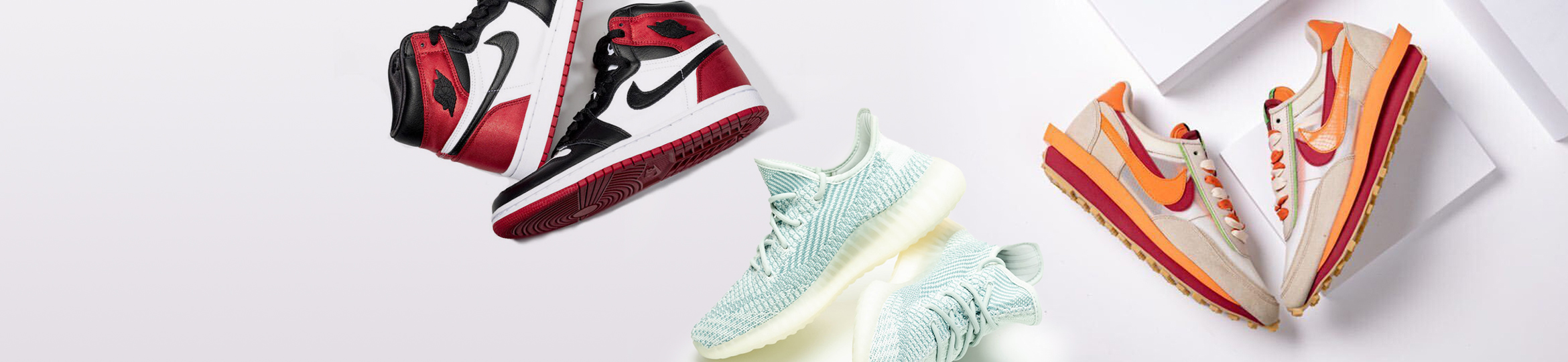
Basketball Shoes Wholesale: From Entry-Level to Professional

Basketball Shoes Wholesale Guide: From Entry Level to Pro Performance
Basketball shoes are a unique category in the wholesale sneaker world. Unlike lifestyle sneakers — where fashion trends can shift overnight — performance basketball shoes are driven by function, athlete endorsements, and the NBA season calendar. This makes the demand more predictable and the wholesale opportunity more structured. I've been buying and selling wholesale basketball shoes since 2014, and I've learned that success in this category comes down to understanding the three-tier performance hierarchy, the seasonal rhythm, and which sizes carry the premium.
The basketball shoe market is substantial: the global performance basketball footwear segment was valued at approximately $8.5 billion in 2025, with the US and China accounting for roughly 60% of demand. For wholesale buyers, this means a deep, liquid market with consistent end-buyer demand — exactly what you want in a wholesale category.
The Three-Tier Basketball Shoe Hierarchy
This is the framework I use to categorize every basketball shoe for wholesale purposes. It determines what I pay, how many I buy, and where I sell them.
Tier 1: Signature Models (Premium)
These are the shoes worn by NBA stars — LeBron, KD, Giannis, Kyrie (Anta), Curry (Under Armour), and the Jordan signature line (separate from Retro Jordans discussed in my Jordan wholesale guide). Wholesale pricing for signature models is typically $55–$85, with resale ranging from $90–$140 for general release colorways and $140–$220 for limited editions. Margins run 30–50%.
The key insight with signature models: the athlete matters more than the shoe. A LeBron signature will always outsell a similarly-priced non-signature model because the name recognition drives demand regardless of the specific colorway or technology story. When LeBron retires in the next few years, his retro signature line will likely see a demand surge — position inventory accordingly.
Tier 2: Performance Team Models (Mid-Range)
Nike's GT Series (GT Cut, GT Jump, GT Hustle), the Jordan Zion and Luka lines, and Adidas's Dame and Harden models fall here. These are volume sellers at accessible price points. Wholesale: $35–$55. Resale: $70–$110. Margins: 35–55%. The GT Cut series has been particularly strong — the GT Cut 3 is the best-selling non-signature basketball shoe on several platforms. I overweight GT Cut in my basketball allocation.
Tier 3: Budget / Entry-Level
Nike Precision, Giannis Immortality, Adidas Own The Game, Puma Court Rider. These sell on value, not prestige. Wholesale: $18–$32. Resale: $40–$65. Margins: 40–60% on percentage but very low absolute dollars ($20–$25 profit per pair). Only worth it at scale (200+ pairs per model) because the per-unit profit is thin enough that shipping and platform fees eat a significant share.
Brand-by-Brand Profitability
| Brand | Key Models | Wholesale Range | Avg Margin | Demand Strength |
|---|---|---|---|---|
| Nike Basketball | LeBron, KD, GT Cut, GT Jump | $35 – $85 | 35% – 50% | ★★★★★ |
| Jordan Performance | Luka, Zion, Tatum, One Take | $25 – $55 | 35% – 55% | ★★★★ |
| Adidas Basketball | Harden, Dame, AE 1 | $28 – $55 | 40% – 55% | ★★★ |
| Under Armour | Curry, Spawn, Embiid | $30 – $55 | 40% – 55% | ★★★ |
| Puma Basketball | MB Series (LaMelo), All-Pro | $25 – $45 | 35% – 55% | ★★★ |
| Li-Ning / Anta / 361° | Way of Wade, KT, AG Series | $25 – $50 | 45% – 70% | ★★ (US), ★★★★ (Asia) |
The Chinese brands (Li-Ning, Anta, 361°) deserve special attention. Their performance basketball shoes are genuinely excellent — the Li-Ning Way of Wade line and Anta Kyrie series rival Nike in technology and build quality — and wholesale pricing is extremely favorable because these brands are aggressively expanding internationally. The catch is that US/EU demand is still developing. I allocate Chinese brand basketball shoes primarily to my Asia-Pacific customers and a small percentage to US buyers who specifically seek them out. Margins are excellent (45–70%), but sell-through is 2–3x slower than Nike basketball.
Seasonal Demand: The NBA Calendar Is Your Sales Calendar
Basketball shoe demand is the most seasonal of any sneaker category because it's directly tied to the NBA schedule and youth basketball seasons:
- October–November (Tip-Off): NBA season starts. New signature models launch. Demand spikes 30–40% above baseline. This is when you want maximum basketball inventory on hand. Buy inventory August–September.
- December (Holiday): Peak retail season. Basketball shoes are major gift items. Sell-through is highest, but platform competition is also highest. Pricing power is moderate.
- February (All-Star Weekend): The second-biggest demand spike. All-Star exclusive colorways create FOMO-driven buying. Buy inventory December–January for the February window.
- March–April (March Madness + Playoffs): Sustained demand from college basketball and early NBA playoffs. Steady, predictable sell-through.
- May–September (Off-Season): Baseline demand drops 25–35%. Lower wholesale pricing, slower sell-through. Good time to accumulate inventory cheaply for the fall. I typically shift basketball allocation to 20% of normal during summer months.
Size Economics: The Big Man Premium
Basketball shoe sizing follows rules that are completely different from lifestyle sneakers. The athletes buying these shoes are taller and larger than the general population, and the size demand curve reflects this:
- Sizes 11–13: Highest demand and strongest premiums (15–30% above average resale). These are the sizes worn by actual basketball players. Always overweight these sizes in performance models.
- Sizes 9.5–10.5: Strong demand ("big casual" fit). Standard allocation.
- Sizes 14–16: Niche but extreme premium (25–50% above average). Very low supply. If you find signature models in sizes 14+, buy every pair. These will take longer to sell but the margin is worth it.
- Sizes 7–9: Weaker demand for performance models (fewer basketball players in these sizes). Better demand for Jordan signature and lifestyle-adjacent models worn casually.
- GS (Youth) Sizes 3.5Y–7Y: Massive volume during back-to-school (August–September). Lower per-pair profit but high turnover. Youth basketball leagues drive this demand.
FAQ
Q: What's the best basketball shoe for wholesale beginners?
Nike GT Cut 3 or LeBron Witness series. The GT Cut 3 sits in the sweet spot of affordable wholesale ($42–$58), strong resale ($85–$120), and broad demographic appeal (it's a legitimate performance tool that also looks good casually). The LeBron Witness line is even more affordable at wholesale ($25–$40) and benefits from the LeBron name without the premium pricing of the main signature line. Budget $3,000–$5,000 for a 70–100 pair initial order.
Q: Why are basketball shoe margins lower than lifestyle sneakers?
Because the customer is different. Basketball shoe buyers are players — they intend to wear the shoes, not collect them. This means they're more price-sensitive and less willing to pay premiums for limited colorways. The trade-off is demand predictability: basketball players replace their shoes every 3–6 months (the foam midsole loses cushioning with heavy use), creating repeat purchase cycles that lifestyle buyers don't generate. Lower margins per transaction, but higher lifetime customer value.
Q: Should I wholesale basketball shoes on StockX or GOAT?
Neither is ideal for performance basketball. StockX and GOAT buyers skew toward collectors and hype-driven purchases. Basketball shoes sell better on eBay (where the Authenticity Guarantee covers them and the buyer base skews more practical), and on specialized platforms like SidelineSwap (sports-specific marketplace). I do roughly 50% eBay, 30% SidelineSwap, 20% StockX/GOAT for basketball. For a full platform comparison, see my platform guide.
Q: How does the Kyrie Irving signing with Anta affect wholesale?
Kyrie's move from Nike to Anta (2023) created a split market. His Nike signature line is now discontinued, which has driven up prices on deadstock pairs — the Kyrie 4, 5, and 6 "USA" and "SpongeBob" editions trade at 2–3x original retail. Meanwhile, the Anta Shock Wave (Kyrie's Anta signature) is doing well in China and among international basketball communities but has limited US recognition. My strategy: buy deadstock Nike Kyries when found at reasonable prices (below $120 wholesale) and hold. The Anta Kyrie line I stock primarily for Asian buyers at $45–$60 wholesale with solid 50–70% margins in that market.
Q: What about retro basketball shoes (Answer, Shaqnosis, Kamikaze)?
Retro basketball is a niche worth watching but not a wholesale core strategy. The Reebok Answer and Shaq Attaq retros, the Adidas Kobe retros (Crazy 1/2/8), and the occasional Nike retro (Air More Uptempo, Air Penny) attract nostalgic 30–50 year old buyers. Margins can be strong (40–60%) but sell-through is slow — expect 45–90 day holding periods. I allocate 5% of my basketball budget to retro and treat it as a long-tail complement, not a primary profit driver.