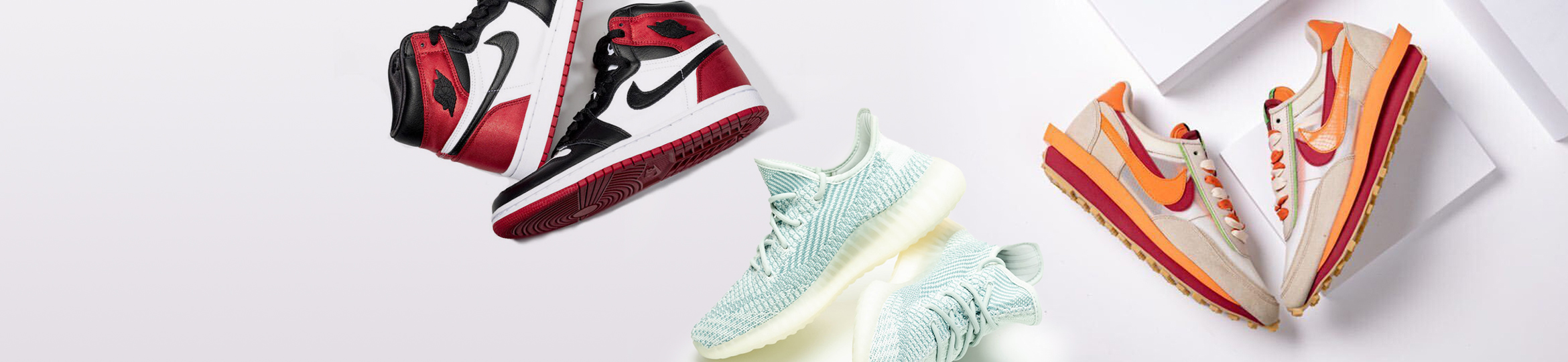
Sneaker Resale Seasonal Trends

1. Reality Check: Timing Is Half the Game
I've been doing this long enough to watch people make the exact same mistake every year. They buy heavy in December, get crushed by fees and oversaturated listings, then wonder why their margins vanished.
Here's something that should stop you cold: only 47% of sneaker releases now trade above retail, down from 58% in 2020. That means if you're buying pairs blindly throughout the year without a seasonal plan, you are statistically underwater on more than half your inventory.
Here's the thing — the resale calendar is predictable. It repeats every year with minor variations. Master it, and you stop gambling. Ignore it, and you become one of those guys panic-selling Dunks at breakeven in July.
Let me walk you through it month by month, with actual numbers from 2025–2026 trading data.
2. The Calendar Nobody Talks About
Before we get granular, here's the macro picture. The sneaker resale year breaks into three distinct phases:
| Phase | Months | What to Do | Demand Level |
|---|---|---|---|
| Accumulation | Jan, Jun, Sep–Oct | Buy inventory at suppressed prices | Low–Medium |
| Boost | Feb–Mar, Aug, early Nov | Sell into demand catalysts | Medium–High |
| Peak | Nov (Black Friday week onward), Dec | Maximum output, minimum buying | Very High (3–4× normal volume) |
Notice anything? The winning resellers spend money when nobody else is spending, and sell when everyone else is panic-buying. The losing resellers do the opposite.
December volume is three to four times what you'll see in a normal month, per KNET Group's 2025 Q4 data. If you're not ready for that, you're leaving money on the table.
3. January: The Hangover Month
Everyone is broke. Credit card bills from Christmas are landing. Nobody is thinking about buying sneakers. This is actually great news if you're a buyer, not a seller.
What I see every January: resellers who overbought in Q4 are dumping inventory at panic prices just to free up cash. Bid-ask spreads widen. You can snipe pairs at 10–20% below where they'll be trading by March.
| January Strategy | Details |
|---|---|
| Buying | Aggressive. Target Q4 leftovers, cold-weather GRs, anything oversupplied from holiday releases. |
| Selling | Minimum. Only list pairs that are genuinely limited and have no substitute. Hold everything else. |
| Wildcard | Chinese New Year — if you source from Asia, factories and shipping shut down for 1–2 weeks. Plan around it. |
4. February: The Double Catalyst Nobody Should Sleep On
February is the sneakiest good month in the calendar, and here's why — you get two demand drivers hitting at once:
Catalyst #1: NBA All-Star Weekend
All-Star Weekend is the single biggest release cluster of Q1. In February 2026, Needham & Company tracked 30 "high heat" launches that sold out immediately and traded at premiums — up from only 22 in February 2025. That's a 36% increase in premium-guaranteed drops.
The 2026 LA All-Star slate was particularly stacked: Kobe 6 Protro '3D Hollywood', AJ4 'Lakeshow', and a full Foot Locker-wide restock wave. If you had capital ready in late January, you printed money in February.
Catalyst #2: Tax Refund Checks
Here's a stat that blew my mind when I first saw it: the average US tax refund check in 2026 increased by ~10% year-over-year, roughly $350 more per refund than 2025. As Needham analyst Tom Nikic put it: "Given how passionate sneakerheads are for athletic footwear, if they had a bigger windfall this year versus a year ago, sneakers would be a key beneficiary."
Translation: February and early March is when people have surprise disposable income and they're looking to spend it. This is the time to sell pairs in the $200–$500 range — exactly the sweet spot for "I just got my refund" impulse buys.
| February 2026 By the Numbers | Value |
|---|---|
| High-heat launches | 30 (vs 22 in Feb 2025) |
| Avg tax refund increase | +~$350 per refund |
| Best price range to list | $200–$500 |
5. March–June: The Dead Zone (With One Exception)
I'm not going to sugarcoat this stretch. March through June is where most resellers lose money. Here's the play-by-play:
March: Tax refund money is mostly spent. All-Star hype has faded. As Nikic noted, March 2026 had "fewer Jordan launches year-over-year and no Nike Dunk launches." Translation: fewer catalysts, more supply sitting. Prices drift down.
April: Spring weather means people spend money on experiences, not shoes. The release calendar thins out. GR Jordans that might have traded at a 10% premium in February are now at par or below. If you're still holding pairs from Q1 All-Star releases and haven't sold by mid-April, you've held too long.
May–June: This is the trough. End of school year, graduation season, summer travel planning — sneakers are not the priority. But here's the silver lining: this is when I do my best buying. Sellers who need cash are offloading pairs cheap. Bid-ask spreads are at their widest. If you have dry powder, May is your accumulation window for August and Q4.
The One Exception: Travis Scott / Off-White Drops
If a Travis Scott collaboration or Off-White retro drops in April or May, throw the calendar out the window. These pairs historically deliver 68–75% CAGR on resale, per PlottData's 2025 report, and seasonal demand patterns don't apply to them. A Travis drop in June will still sell out instantly and trade at 3–5× retail. The calendar rules are for GRs and standard limited releases — elite collaborations play by their own physics.
6. July–August: Back-to-School & The Early Warning
KNET Group's 2025 Q4 report called August "a small preview of what's coming." That's exactly right — August is the canary in the coal mine for Q4.
Back-to-school demand hits in early August. Parents are buying sneakers for their kids. College students are spending loan money. The types of pairs that move shift: clean GR colorways, retro runners, comfortable everyday models — not hype collabs. ASICS Gel-1130, Nike Vomero 5, New Balance 990 series all spike in late summer.
But here's what experienced sellers know — August also tells you which pairs have legs for Q4. If a silhouette can't move volume in back-to-school season, it won't survive the holiday flood. Use August as your filter: hold what sells, dump what doesn't.
7. October: Spend Money to Make Money
I've seen the same cycle repeat for five years now. In October, most resellers slow down their buying. They're cautious. They want to "see how the market looks." Meanwhile, the resellers who actually make real money are doing the opposite — they're spending aggressively, locking in inventory at prices that will look cheap in six weeks.
The KNET October 2025 report said it bluntly: "Every dollar sitting idle in December is a missed opportunity." Their recommendation: source heavily through early November, get every pair listed across every platform with automated pricing floors, and hire seasonal help now — not when you're drowning in orders.
One data point that stuck with me: the Nike Vomero Premium 'Sail Coconut Milk' launched in October 2025 at roughly $200 retail and immediately resold around $300 — a clean 50% premium. A performance runner hitting those numbers in October is unusual, but it illustrates the broader pattern: the market is waking up, and early movers get the best execution prices.
8. November–December: The 60 Days That Pay Your Rent
Here's the number that should reshape how you plan your entire year: December sneaker resale volume runs at 3 to 4 times a normal month. Let that sink in. If you normally move 30 pairs a month, December is 90–120 pairs. If you normally net $3,000, December can net $9,000–$12,000.
The demand curve is not gradual. It's a cliff:
| Week | What Happens |
|---|---|
| Week 1–2 Nov | Still normal-ish. Final sourcing window. Get everything listed. |
| Black Friday Week | Volume spike begins. Prices still competitive but velocity picks up sharply. |
| Dec Week 1–2 | Peak volume. Buyers are rushing. Sellers who set payout floors are printing. |
| Dec Week 3 | Last-minute gift buyers. Shipping deadlines become critical. Premium for pairs that can arrive before Christmas. |
| Dec 26–31 | Gift card spending. Teens with Christmas money. Still strong but shifting toward lower price points. |
The playbook is simple and repeatable:
- Go deep, not wide. KNET's data shows that chasing 40 different SKUs dilutes your capital and your attention. Identify 2–4 "all-bucket winners" — pairs that sell across StockX, GOAT, eBay, TikTok Shop, AND B2B. Buy them deep at your best landed cost.
- Set payout floors, not fixed prices. In Q4, automated repricing with a minimum profit floor captures volume without you manually adjusting every listing. The market moves too fast in December for manual pricing.
- Phase your inventory. Don't drop your entire position in week one. Deliveries should be staged: first batch in late October, second in mid-November, largest batch by December 1. This way you don't sell out before the peak.
9. Seasonality by Silhouette: Not All Pairs Move the Same
This is where most seasonal analysis falls apart — they treat "sneakers" as one uniform category. They're not. Different silhouettes peak in different seasons, and if you don't understand that, you're selling the wrong pairs at the wrong time.
| Silhouette Type | Peak Season | Dead Season | Why |
|---|---|---|---|
| Jordan Retros (1, 3, 4, 11) | Feb (All-Star), Nov–Dec (gifting), Holiday 11 release week | May–Jul | Jordans are gift purchases and event-driven. Nobody buys AJ11s for summer vacations. |
| Dunks (Standard GR) | Aug (back-to-school), early Q4 | Mar–Jun | Teens and college students. GR Dunks are dead below retail most of the year now — 2026 resale premium on standard Dunks is roughly 1.1–1.3× retail at best. |
| SB Dunks (Limited) | Year-round, spike on drop | None (truly limited SBs defy seasonality) | Collector market. Older SBs (2002–2010) are holding as "art" pieces per BallerStatus analysis. |
| Running (ASICS Gel, Vomero, NB 990) | Aug (back-to-school), Oct–Dec (lifestyle gifting) | Jan–Feb | The "dad shoe" boom. ASICS Gel-1130 was StockX's #1 best-selling sneaker in 2025 — 45% YoY growth. These are universal sellers across all platforms. |
| Adidas (Samba, Gazelle, SL72) | Mar–Jun (spring/summer styling), Aug–Sep | Nov–Dec | Thin leather/suede silhouettes. Nobody buys Sambas as Christmas gifts in Vermont. These are Q2–Q3 plays. |
| Yeezy (remaining stock) | Irrelevant now | All year | From +240% premium and 18% market share in 2020 to +5% and 4% share in 2024. The Yeezy resale window is permanently closed. |
| Mizuno / Maison Mihara / Niche | Year-round, supply-constrained | N/A (small production runs) | Mizuno +124% growth on StockX in 2025. These brands have no seasonal pattern yet — demand is driven by scarcity, not calendar. |
Here's the practical takeaway: if you're selling Adidas Sambas in December, you're fighting gravity. If you're selling Jordan 11s in July, same story. Match your inventory to the season, not your ego.
10. The Strategy Most People Get Wrong
Every year I see people trying to be busy all 12 months. They buy and sell in every season because they feel like they should always be "doing something." That's ego, not strategy.
The data supports a very different approach: buy in troughs, sell into catalysts, be patient in between.
| Strategy | When | What |
|---|---|---|
| Accumulate | Jan, May–Jun, Sep–Oct | Buy GR Jordans, runners, and everyday models at suppressed prices. Target pairs that underperformed in prior peak season — they'll recover. |
| Sell into catalysts | Feb (All-Star + tax refunds), Aug (back-to-school), Nov–Dec (holiday) | List everything that's seasonally appropriate. Use automated pricing floors. Cross-list across all platforms. |
| Hold & wait | Mar–Apr, Jul | Don't force sales when demand is soft. You'll eat fees for no reason. The 6–12 month hold strategy recommended by ResellCalendar produces better returns than rapid flipping in off-peak months. |
| Cut losses | Any time | If you bought a GR Jordan at retail and it's trading 15% below, sell it. The $40 loss is cheaper than holding dead inventory that blocks capital for better opportunities. This is the hardest lesson to learn. |
The 2026 Reality: Stop Chasing Every Drop
With only 47% of releases trading above retail, the era of "buy every Saturday release and flip by Monday" is dead. The 2026 market rewards patience and seasonal awareness. Nike's own Q2 2026 earnings showed China revenue collapsing 17%, and the brand's overproduction of "limited" pairs has saturated every channel.
Your edge in 2026 isn't access to drops — everyone has bots, everyone has monitors. Your edge is knowing when to sit on your hands and when to go all in. Most people can't do that because it's boring. But boring makes money.
One More Thing: The China Calendar
If you source inventory from China or deal with factories directly, you need to factor in Chinese New Year. Factories shut down for 1–2 weeks (usually late January to early February). Shipping slows dramatically for 3–4 weeks around the holiday. If you need inventory for All-Star Weekend or tax refund season, place your orders by early December or you'll be waiting until March.
I learned this the hard way in 2023. Don't be me.
Frequently Asked Questions
What is the best month to buy sneakers for resale?
January and May–June are the best buying months. Post-holiday oversupply in January creates panic-selling from resellers who need cash, and late spring is the seasonal trough when demand is lowest. Prices are typically 10–20% below their seasonal peaks during these windows.
When does sneaker resale demand peak?
November (Black Friday week) through mid-December is the absolute peak, with volume running 3–4× a normal month. Secondary peaks occur in February (NBA All-Star Weekend + tax refund season) and August (back-to-school).
Do different sneaker models have different seasonal patterns?
Yes. Jordan Retros peak during All-Star Weekend (February) and holiday gifting season (November–December). Adidas lifestyle models like the Samba and Gazelle perform best in spring and summer (March–June). Running silhouettes like ASICS Gel-1130 and New Balance 990 peak during back-to-school (August) and holiday (Q4). Truly limited collaborations and SB Dunks defy seasonal patterns entirely.
Should I sell sneakers in summer or hold until Q4?
Hold most pairs until Q4 unless they are specifically summer-friendly models (Adidas Samba, Gazelle, lightweight runners). The data consistently shows that holding inventory for the November–December demand window produces better returns than selling into the summer lull where bid-ask spreads are wide and volume is low. The 6–12 month hold strategy is increasingly recommended by experienced resellers over rapid flipping.
How does tax refund season affect sneaker resale?
Tax refund season (February–early March) is a significant demand catalyst. In 2026, the average refund check increased approximately 10% year-over-year, roughly $350 more per refund. Analyst data confirms sneakers are a "key beneficiary" of this discretionary income windfall, particularly pairs in the $200–$500 price range. Combined with NBA All-Star Weekend releases in February, this creates one of the best selling windows outside of Q4.
Data sources: StockX Big Facts 2025–2026, Needham & Company February 2026 research note (Tom Nikic), KNET Group Q4 2025 Sneaker Market Report, PlottData 2025 Resale Market Report (2M+ listings), BallerStatus 2026 Market Analysis, ResellCalendar 2025 Market Changes Report. All price and volume data reflects publicly available resale marketplace data as of mid-2026. Seasonal patterns observed are consistent across multiple years of trading data but should be verified against specific inventory composition and market conditions.